


Home > Services > Septic Systems > Sewer Line Repair
Expert Drain Field Replacement & Repair Throughout Lancaster, Circleville & Chillicothe
Drain field failure is the most serious and expensive septic system problem, typically requiring complete field replacement costing $10,000-$20,000 or more. Drain fields (also called leach fields or absorption fields) treat and disperse wastewater into soil—when fields fail, septic systems cannot function. Failed drain fields cause sewage surfacing in yards, system backups, and environmental contamination requiring immediate professional attention. Drain Bros provides expert drain field services throughout Central Ohio, accurately assessing field problems, determining appropriate solutions, and performing complete professional field replacement when necessary. As part of our complete septic system services, our drain field expertise ensures failed fields are replaced correctly restoring full system function.
Drain field problems are often misunderstood—many homeowners hope for simple repairs avoiding expensive replacement. However, drain field failure is typically permanent requiring complete replacement. Failed fields cannot be “fixed” through additives, treatments, or partial repairs. Once soil clogs from biomat development or solids contamination, absorption capacity is permanently lost. Attempting repairs on failed fields wastes money without restoring function. Professional assessment determines field condition honestly—we don’t sell unnecessary replacements, but we also don’t encourage futile repair attempts on genuinely failed fields. When replacement is necessary, proper installation ensures new fields provide decades of reliable service.
Serving Lancaster, Circleville, Chillicothe, and throughout Fairfield, Pickaway, and Ross Counties, we’ve replaced hundreds of failed drain fields. Our experience includes all field types, challenging site conditions, and utilizing reserve field areas. We understand drain field failure urgency—failed fields create health hazards and property damage. We respond promptly to field problems, providing honest assessment and professional replacement restoring system function. When your drain field fails, trust professionals who handle complete field replacement correctly rather than attempting ineffective partial repairs.
Drain fields treat wastewater through natural soil processes. Effluent from septic tanks flows through perforated pipes into gravel trenches distributing liquid throughout fields. Wastewater percolates through gravel into surrounding soil where several treatment processes occur—physical filtration removes particles, bacterial action breaks down organic material, and soil adsorption removes pathogens and nutrients. Properly functioning fields treat wastewater protecting groundwater and property. Treatment requires soil pores remaining open allowing water movement and air penetration supporting aerobic bacteria. Fields provide final and most critical treatment stage—tanks only provide primary treatment through settling; fields provide actual wastewater treatment making them systems’ most important components.
Drain field failure occurs when soil loses absorption capacity. Primary failure causes include biomat development—bacterial layer forming at soil interface clogging pores (natural aging process), solids contamination from tank overfilling or failed baffles clogging soil permanently, compacted soil from vehicle traffic or construction preventing drainage, hydraulic overload from excessive water use saturating soil, and high water tables preventing drainage. Biomat failure is inevitable over time—even well-maintained fields eventually fail as biomat accumulates. However, proper maintenance significantly extends field life—systems with regular tank pumping and appropriate use commonly provide 20-30+ years of service. Neglected systems often fail in 10-15 years from preventable problems like solids contamination. Once soil clogs, damage is permanent requiring field replacement.
Failed drain fields present characteristic symptoms requiring immediate attention. Failure signs include sewage or effluent surfacing in yard over drain field area, persistently wet or soggy areas over field, sewage odors around field, bright green grass growing vigorously over field (nitrogen-rich effluent), sewage backing up into house from field inability to accept wastewater, slow drains throughout house (not single fixture clogs), and gurgling sounds from drains. These symptoms indicate serious problems—effluent reaching surface creates health hazards from sewage exposure. Some symptoms appear gradually—wet areas developing over time; others occur suddenly—system backups when fields completely fail. Any drain field failure symptoms warrant immediate professional evaluation. Early attention may identify localized problems; delayed response often results in complete field failure requiring full replacement. See our septic repair services for related system problems.
Professional drain field service begins with comprehensive field assessment. Assessment includes symptom evaluation (when problems started, symptom severity, affected areas), visual field inspection identifying wet areas or effluent surfacing, soil probing in field areas testing for saturation, system history review (age, maintenance, past problems), and evaluation of field type and design. Assessment distinguishes field problems from other system issues—backups might indicate full tank rather than field failure; wet areas might result from surface water rather than field problems. We also assess tank condition through our septic inspection services—sometimes apparent field problems actually trace to tank issues like failed outlet baffles. Accurate assessment identifies actual problems guiding appropriate solutions.
After assessment, we evaluate repair feasibility honestly. Evaluation includes determining failure extent (localized versus widespread), identifying failure causes (addressing underlying problems), assessing field age and overall condition, considering property constraints affecting replacement, and analyzing repair versus replacement economics. Most drain field failures require complete replacement—soil clogging from biomat or solids is permanent. Limited repairs occasionally work for specific problems—replacing broken pipes, addressing compaction in small areas, or redirecting surface water. However, attempting repairs on genuinely failed fields wastes money without restoring function. We provide honest assessment—if replacement is necessary, we explain why; if limited repairs might work, we discuss options and success likelihood. Homeowners deserve honest professional opinion guiding informed decisions.
When replacement is necessary, proper design ensures new fields function reliably. Design process includes utilizing reserve field area if available (health departments require equal reserve areas for replacement), soil testing in replacement location if original site is unsuitable, system sizing for household needs, field type selection appropriate for soil and site conditions, obtaining health department permits and approvals, and planning installation minimizing property disruption. Reserve field areas designated during original installation are intended specifically for replacement when original fields fail—utilizing reserves is standard procedure. If reserves aren't available or suitable, alternative locations must be identified and permitted. Professional design through our septic installation expertise ensures replacement fields meet all requirements and provide long-term reliability.
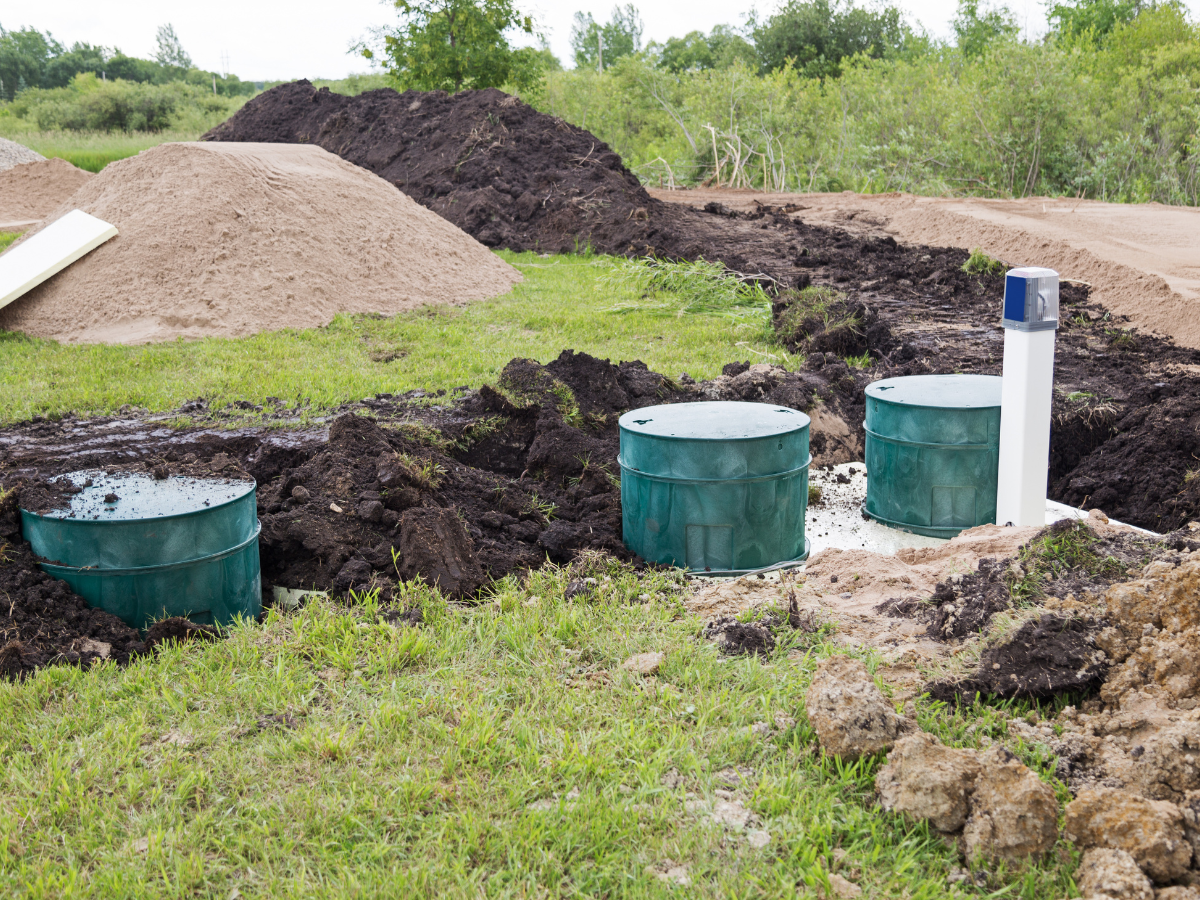
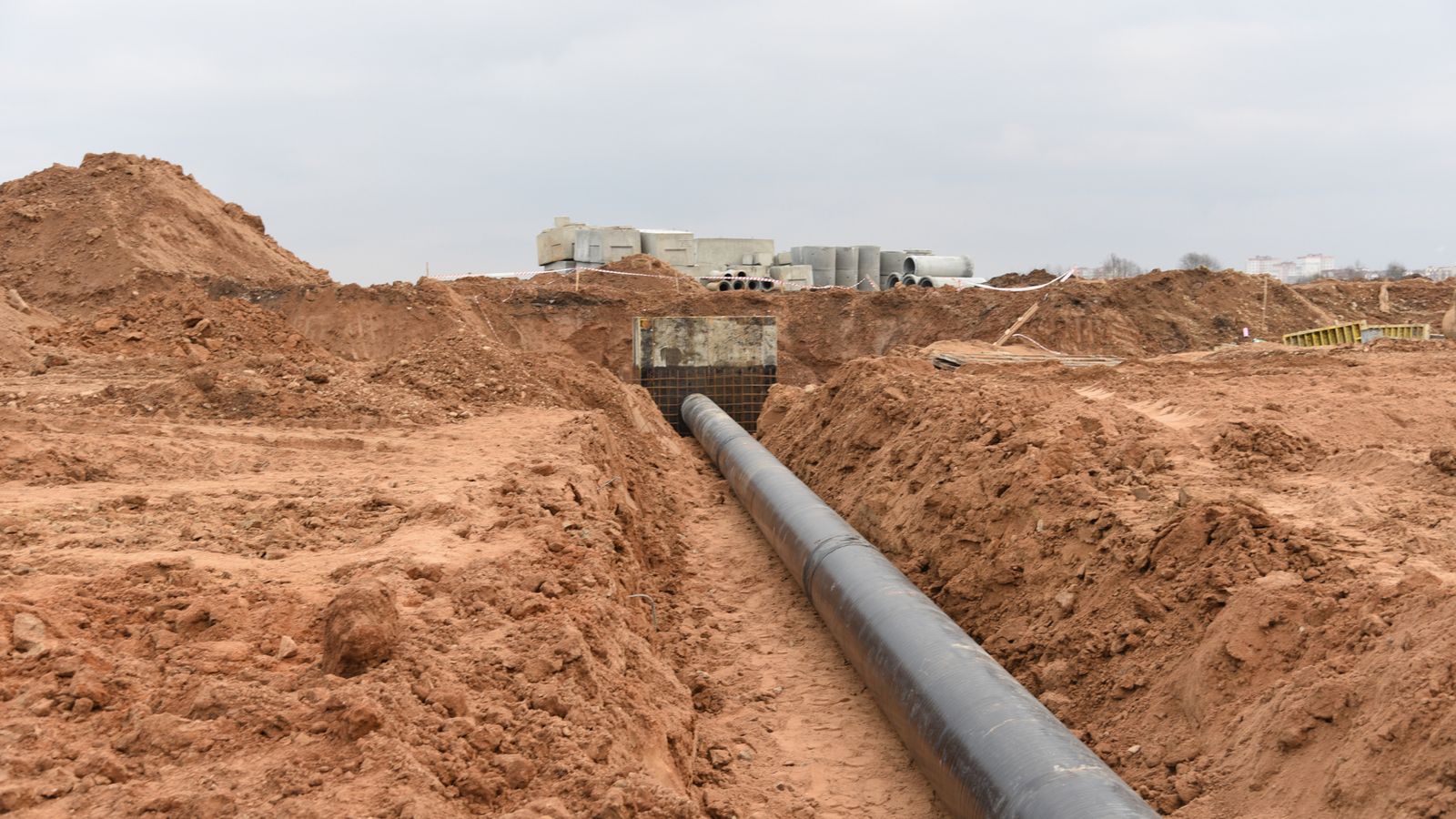
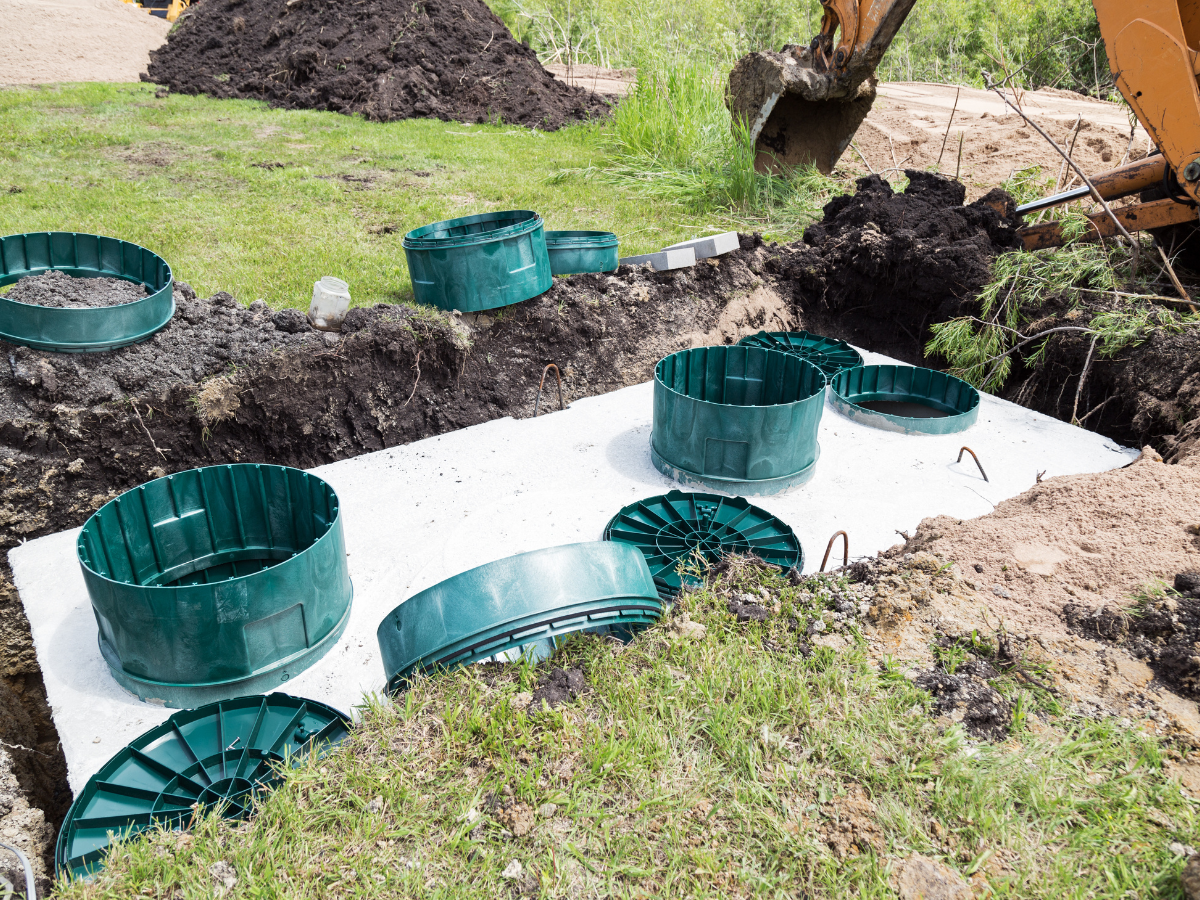
Professional field replacement installation ensures reliable performance. Installation includes complete excavation of new field area, proper grading ensuring drainage, installation of distribution piping with correct spacing, bedding pipes in specified gravel, covering with filter fabric preventing soil intrusion, backfilling with appropriate soil, surface restoration, and final health department inspection. Installation quality critically affects field longevity—improper depth, grade, or materials cause premature failure. Our excavation services provide expert field excavation capabilities. We install replacement fields meticulously following all specifications ensuring fields function correctly providing decades of reliable service. Professional installation provides value through longevity and performance justifying replacement investment.
Biomat development is the natural aging process eventually affecting all drain fields. Biomat is bacterial layer forming at soil-effluent interface where wastewater meets soil. Initially, biomat aids treatment—bacteria break down organic material. However, biomat continues developing over years eventually becoming thick enough to clog soil pores preventing drainage. Biomat failure is inevitable—question is when, not if. Well-maintained systems with regular tank pumping and appropriate use develop biomat slowly providing 20-30+ years of service. Neglected systems develop biomat faster—excessive solids from infrequent pumping accelerate biomat growth. Once biomat clogs soil sufficiently to cause field failure, damage is permanent. No treatment, additive, or procedure reverses biomat clogging—only replacement with new field in unclogged soil restores function. Biomat development explains why properly maintained fields eventually fail despite good care.
Soil compaction from surface loads destroys drain field function. Compaction causes include vehicle traffic over fields (cars, trucks, heavy equipment), construction activity compacting soil, and even repeated foot traffic or lawn equipment on smaller fields. Compacted soil has reduced pore space preventing water infiltration and air movement needed for treatment bacteria. Compaction also crushes drain pipes damaging distribution systems. Drain fields require protection from surface loads—codes prohibit paving or structures over fields precisely because compaction causes failure. Protecting fields from traffic is critical maintenance—even well-maintained fields fail prematurely if compacted. Limited compaction affecting small field areas might be addressed through resting and rehabilitation; extensive compaction requires field replacement. Preventing compaction through proper field protection avoids this preventable failure cause.
Soil saturation prevents drain field function—wastewater cannot drain into already-saturated soil. Saturation causes include high seasonal water tables rising to field depth, poor site drainage accumulating surface water, excessive water use overloading system capacity, and inadequate field sizing for soil conditions. Temporary saturation from heavy rain may cause temporary problems resolving when water tables drop; chronic saturation indicates serious problems requiring solutions. High water table saturation may require mound system raising fields above saturated soil ($15,000-$30,000+ installation). Saturation from surface water might be addressed through site drainage improvements redirecting water away from fields through our drainage solutions services. Saturation from overuse requires water conservation or system expansion. Saturation diagnosis determines whether problems are temporary, addressable through drainage, or require field replacement.
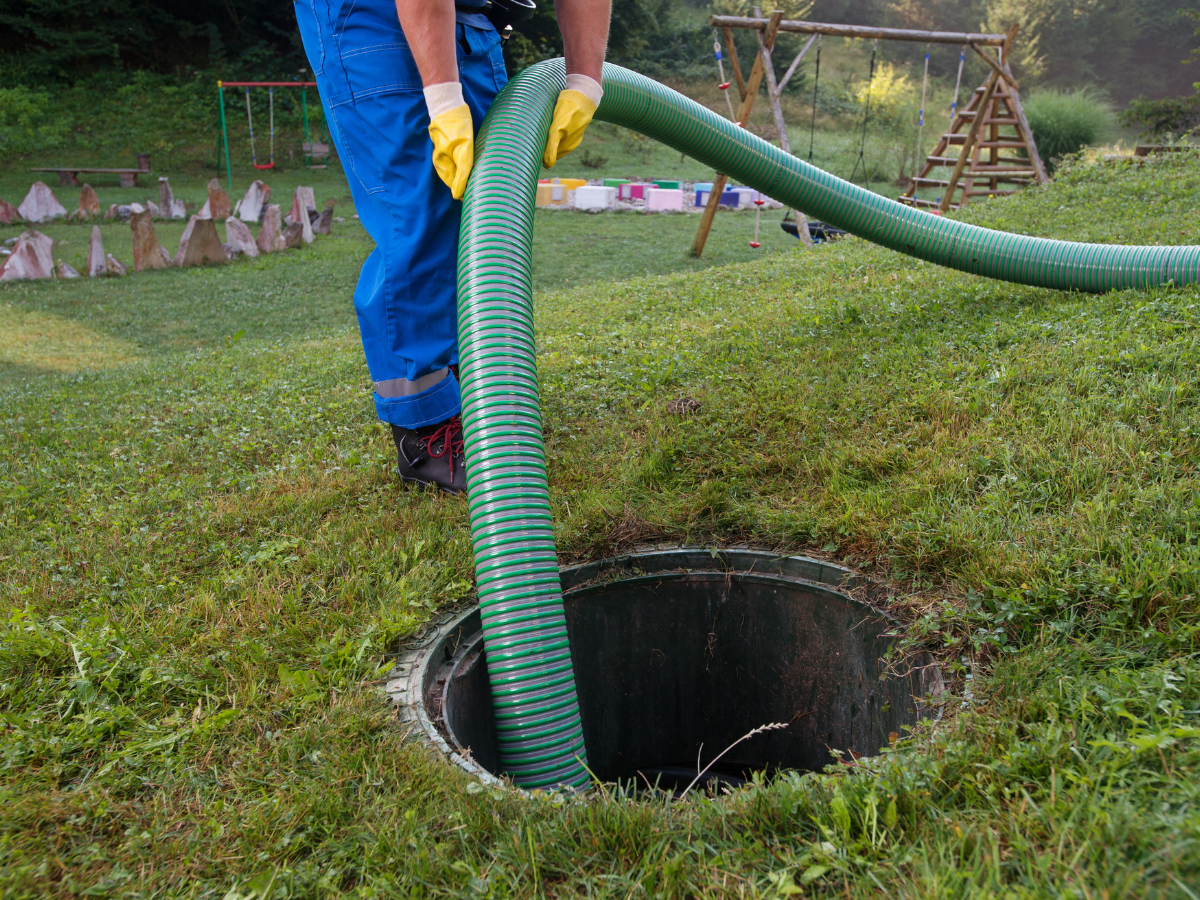
Solids reaching drain fields cause rapid permanent failure. Solids contamination results from tank overfilling from infrequent pumping, failed outlet baffles allowing solids to exit tanks, broken pipes allowing solids to bypass tanks, or system abuse (flushing inappropriate materials). Solids clog soil pores immediately and permanently—unlike gradual biomat development, solids contamination causes rapid failure. Prevention is critical—regular tank pumping through our septic pumping services keeps solids in tanks, and baffle inspection during pumping catches failures before field damage. Once solids contaminate fields, soil clogging is permanent requiring field replacement. Solids contamination is preventable failure cause making proper maintenance critical. Systems receiving timely pumping and baffle maintenance avoid this failure mode, often providing decades of reliable service.
Conventional drain fields are most common replacement option where soil and site conditions are suitable. Conventional replacement uses same technology as original fields—perforated pipes in gravel trenches distributing effluent into soil. Modern conventional fields use improved materials—plastic chambers instead of gravel (in some installations), better pipe materials, and improved filter fabrics. Conventional field advantages include proven technology with decades of success, lower installation costs ($10,000-$15,000 typical for residential), straightforward maintenance, and suitability for most soil conditions when properly designed. Reserve field areas designated during original installation typically use conventional design. Conventional replacement provides reliable economical solution when site conditions allow. Professional installation ensures proper depth, spacing, and grading for optimal performance and longevity.
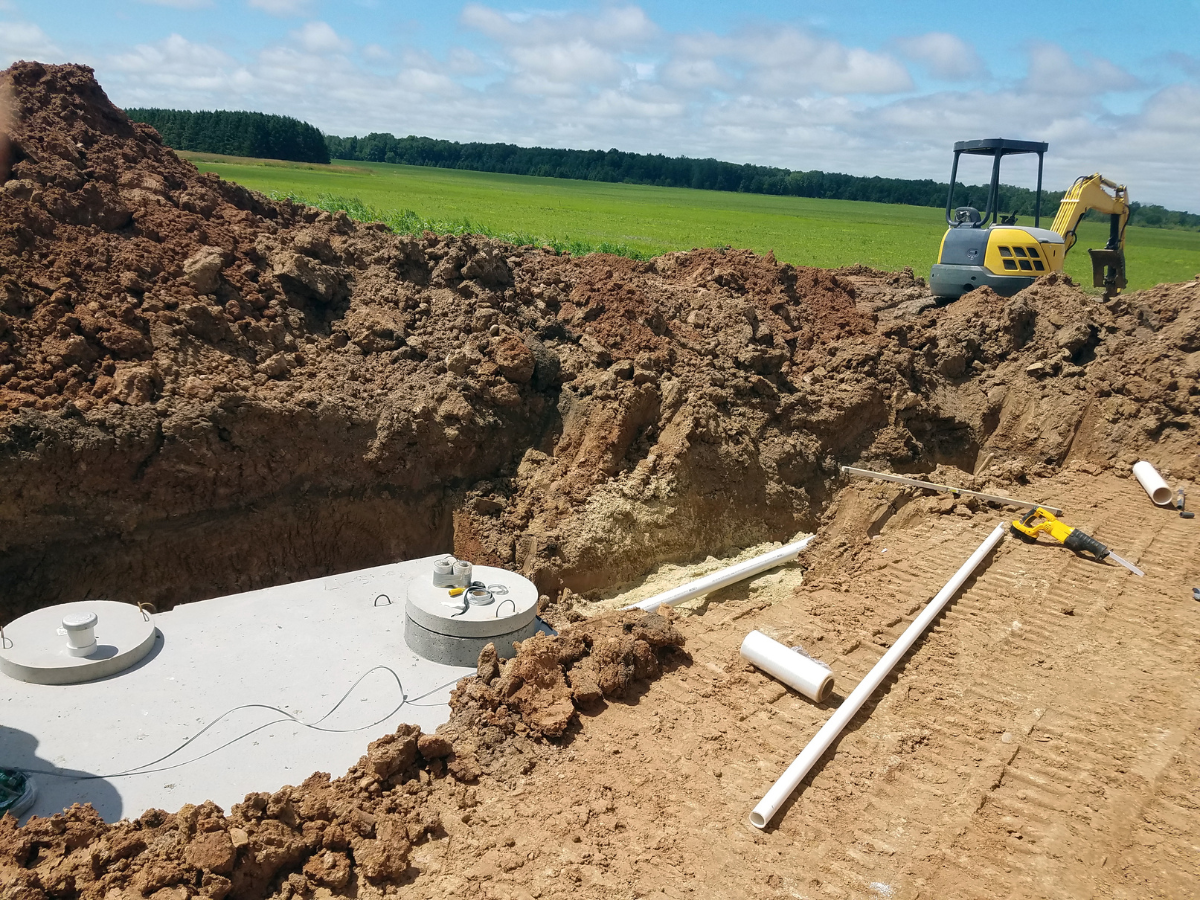
When original field locations aren't suitable for replacement, alternative locations must be identified. Alternative location considerations include utilizing designated reserve areas (standard practice), identifying new suitable soil areas on property if reserves unavailable, soil testing alternative locations confirming suitability, meeting setback requirements from wells, property lines, and water bodies, and obtaining health department approval for alternative locations. Reserve field areas specifically designated for replacement use make alternative locations straightforward—reserves should have suitable soil and adequate size. Properties without suitable reserves present challenges—small lots may lack adequate replacement space; poor soil throughout property prevents conventional replacement. Creative solutions include directional field placement, reduced-size fields with advanced treatment, or shared field systems (where allowed). Professional site evaluation identifies viable alternative locations or determines if property cannot support conventional replacement requiring advanced systems.
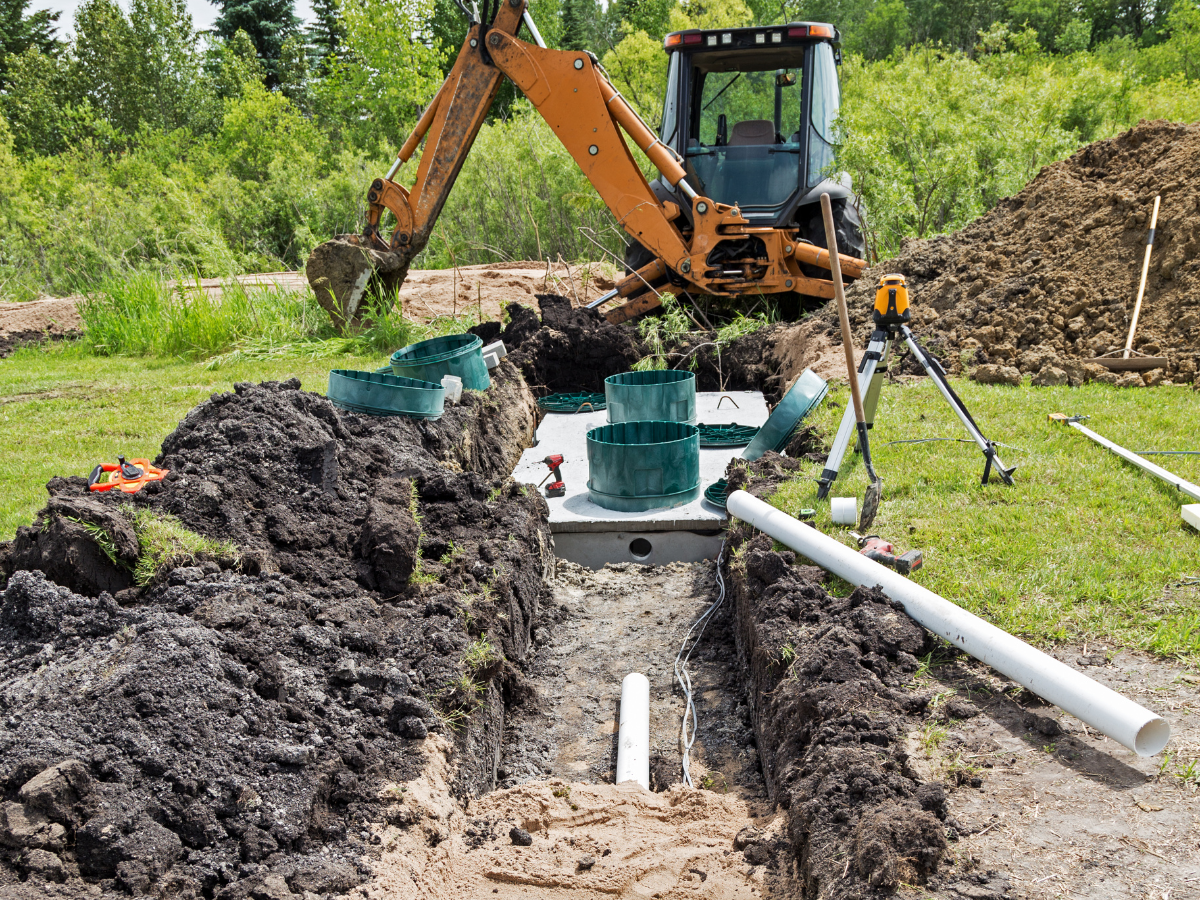
Advanced treatment systems provide options when conventional replacement isn't feasible. Advanced systems include aerobic treatment units (ATUs) providing enhanced treatment allowing smaller drain fields, mound systems raising fields above unsuitable soil or high water tables, pressure distribution improving effluent distribution in marginal soil, sand filters providing additional treatment, and proprietary treatment systems offering alternatives for challenging sites. Advanced system tradeoffs include higher installation costs ($15,000-$30,000+ versus $10,000-$15,000 conventional), ongoing maintenance requirements (service contracts often required), and mechanical components requiring power and periodic attention. However, advanced systems enable septic on sites otherwise unsuitable for conventional systems. When soil conditions, lot size, or water tables prevent conventional replacement, advanced systems provide solutions—expensive but necessary for continued property use. Professional design determines appropriate advanced system types for specific site constraints.
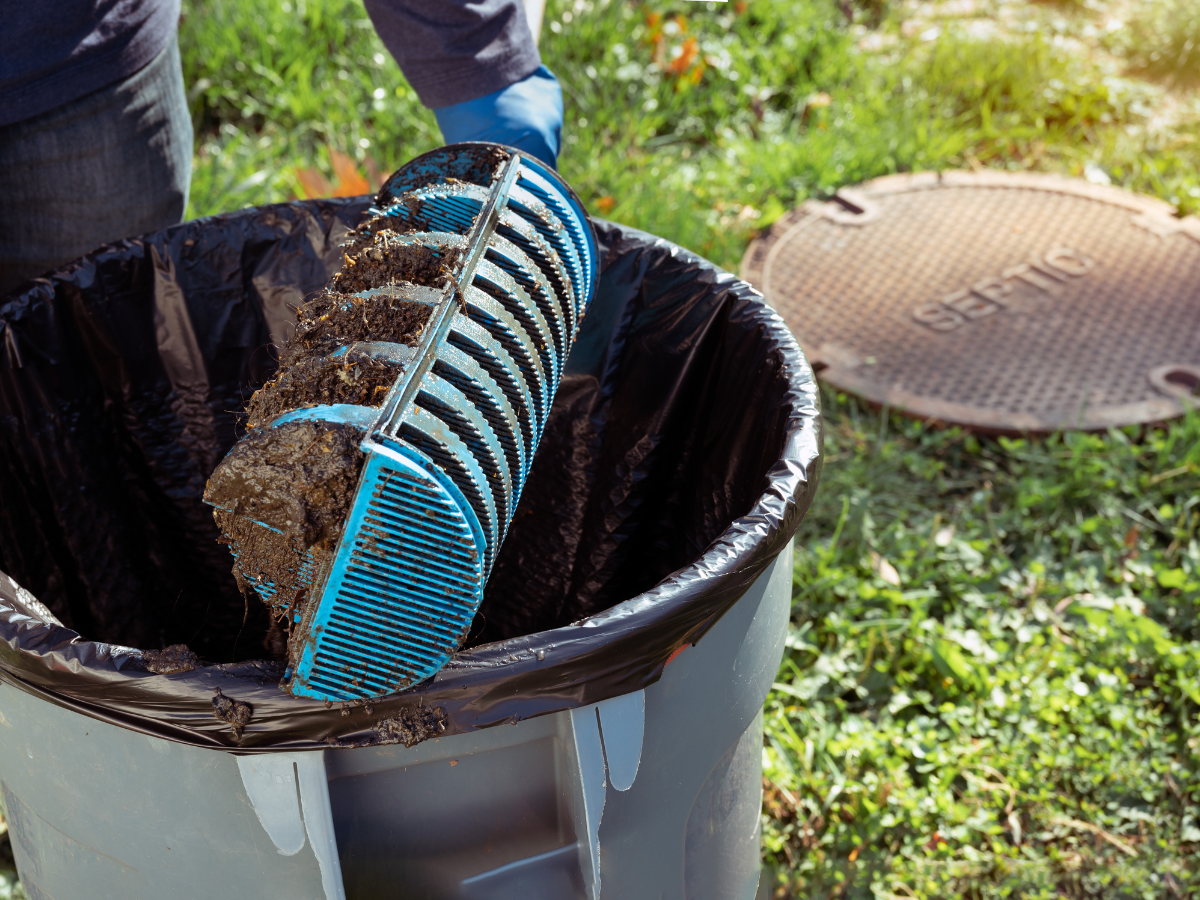
Drain field problems are rarely repairable—most failures require complete replacement. Occasionally repairable situations include broken pipes in otherwise functional fields (localized pipe repair possible), compaction affecting small field sections (rest and rehabilitation might work), surface water problems causing temporary saturation (drainage improvements may help), and tree root intrusion in specific areas (root removal and pipe repair). These represent small minority of field problems. Most failures—biomat clogging, widespread solids contamination, extensive compaction, chronic saturation—cannot be repaired effectively. Attempted “repairs” on failed fields include various treatments, additives, or procedures claiming to restore function. These rarely work and waste money delaying necessary replacement. Professional assessment distinguishes rare repairable situations from typical failures requiring replacement, providing honest guidance avoiding ineffective repair attempts on genuinely failed fields.
Drain field replacement is typically necessary because soil clogging is permanent. Once soil pores clog from biomat development or solids contamination, absorption capacity is permanently lost. Soil cannot be “unclogged” through chemicals, treatments, or procedures—soil structure is physically changed by clogging. Only replacement with new field in unclogged soil restores system function. Understanding this explains why repair attempts typically fail—they don’t address fundamental problem of clogged soil. Replacement provides new unclogged soil allowing proper drainage and treatment. While expensive, replacement is only effective solution for genuinely failed fields. Attempts to avoid replacement through repeated ineffective repairs waste money and prolong problems. Professional replacement done correctly provides decades of reliable service justifying investment. Failed fields are serious problems requiring serious solutions—replacement is that solution.
Professional drain field replacement provides substantial benefits. Benefits include restoration of full system function allowing normal property use, elimination of health hazards from surfacing sewage, compliance with environmental regulations protecting groundwater, protection of property value (failed septic complicates sales), and decades of reliable service from new field. Modern replacement fields use improved materials and installation techniques providing superior performance versus original fields. Replacement also allows system upgrades—increasing capacity, utilizing better technology, or addressing original design deficiencies. While replacement is expensive ($10,000-$20,000+ typically), cost must be considered against alternatives—properties cannot function without working septic systems. Replacement is necessary investment restoring property usability. Professional replacement ensures investment provides maximum return through proper design, quality installation, and longevity.
Soil characteristics critically determine drain field design and feasibility. Key characteristics include soil texture (sand, silt, clay proportions) affecting drainage rate, soil structure influencing water movement, percolation rate determining field sizing, depth to restrictive layers (hardpan, rock) limiting field depth, and seasonal high water table depth requiring adequate separation. Ideal soil has moderate texture (loamy), good structure allowing drainage, acceptable percolation (not too fast or slow), adequate depth (4+ feet), and low water table (below field depth year-round). Poor soil requires design modifications—slow percolation needs larger fields or pressure distribution; shallow water tables require mound systems; very fast percolation needs special designs preventing groundwater contamination. Soil testing during replacement design ensures systems match actual conditions rather than assumptions. Professional design addresses soil limitations ensuring replacement fields function reliably.
Reserve field areas are critical septic system components often overlooked until needed. Health departments require reserve areas equal in size to initial fields designated during original installation, protected from development or use preventing future replacement, maintained in suitable condition for field installation, and accessible for replacement when needed. Reserve areas exist specifically for drain field replacement—utilizing reserves is standard procedure, not unusual circumstance. Properties without suitable reserves face challenges—replacement may require advanced systems, alternative locations with less ideal conditions, or in extreme cases, property cannot support septic requiring connection to sewer (if available). Protecting reserve areas during property use is important—avoiding structures, paving, or activities damaging soil preserves replacement options. When field replacement becomes necessary, having suitable protected reserve areas simplifies and reduces replacement costs significantly.
Replacement field sizing must match household needs and soil conditions. Sizing considerations include household size (bedrooms, not current occupancy), daily wastewater flow estimates (typically 150 gallons per bedroom), soil percolation rate determining required field area, and current codes (may differ from original installation). Replacement provides opportunity for sizing adjustments—undersized original fields can be properly sized during replacement; oversized houses (additions, bedrooms added) can have fields sized appropriately. Adequate sizing ensures fields handle household wastewater loads without premature failure. Undersized replacement fields fail prematurely repeating problems; properly sized fields provide expected 20-30+ year service. Professional design calculates appropriate sizing based on current household needs and soil test results ensuring replacement fields meet all requirements and provide reliable long-term performance.
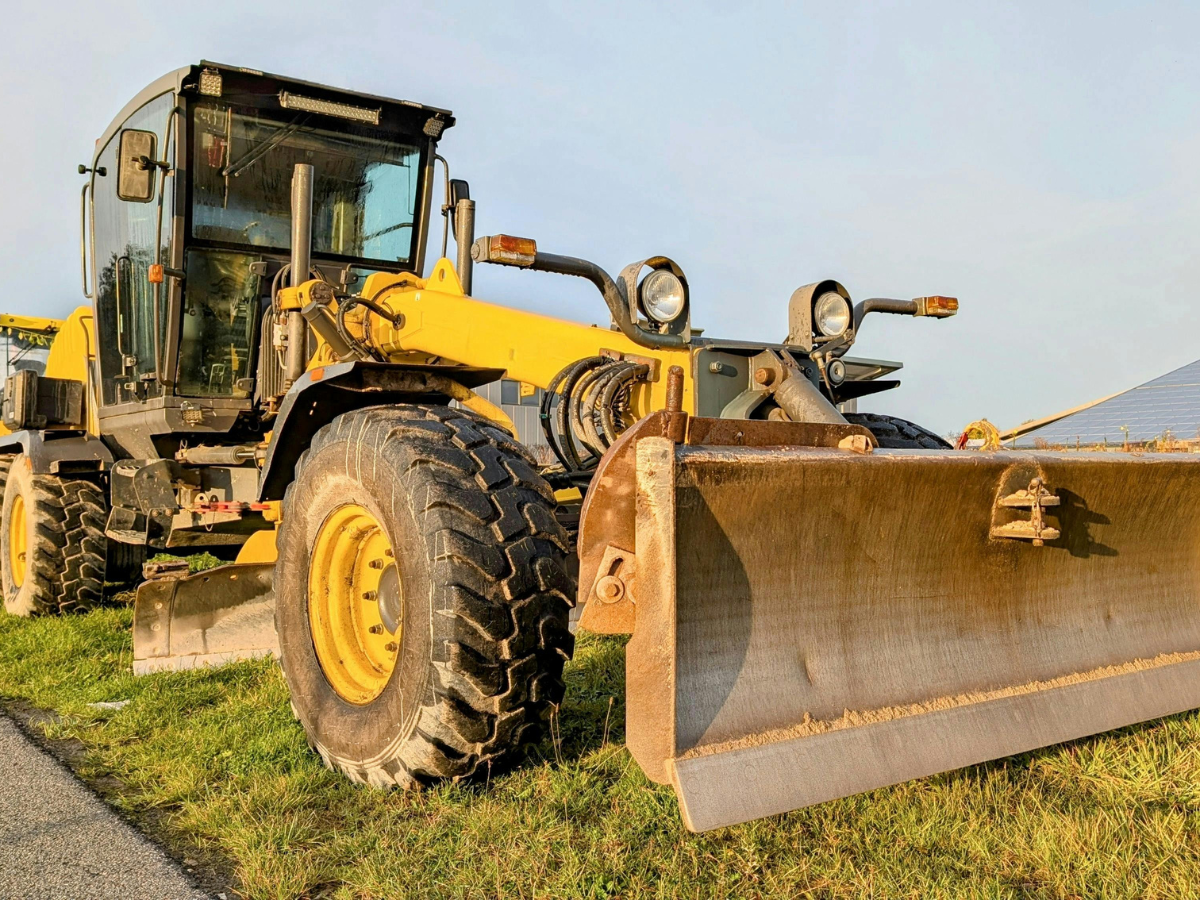
Professional field excavation is critical for proper installation. Excavation includes clearing field area removing vegetation and topsoil, precision excavation to specified depths (typically 18-36 inches), maintaining proper grades ensuring drainage, avoiding soil compaction during excavation (keeping equipment off field bottoms), and managing excavated material for appropriate reuse or disposal. Field excavation differs from general excavation—precision matters significantly. Depths must be exact—too shallow causes surfacing problems, too deep places fields below treatment zone. Grades must ensure proper distribution without low spots pooling effluent. Excavation equipment and techniques matter—compacting field bottoms during excavation damages soil before field is even installed. Professional excavation provides proper foundation for field installation. Our excavation expertise ensures fields are installed at correct depths with proper grades for optimal performance.
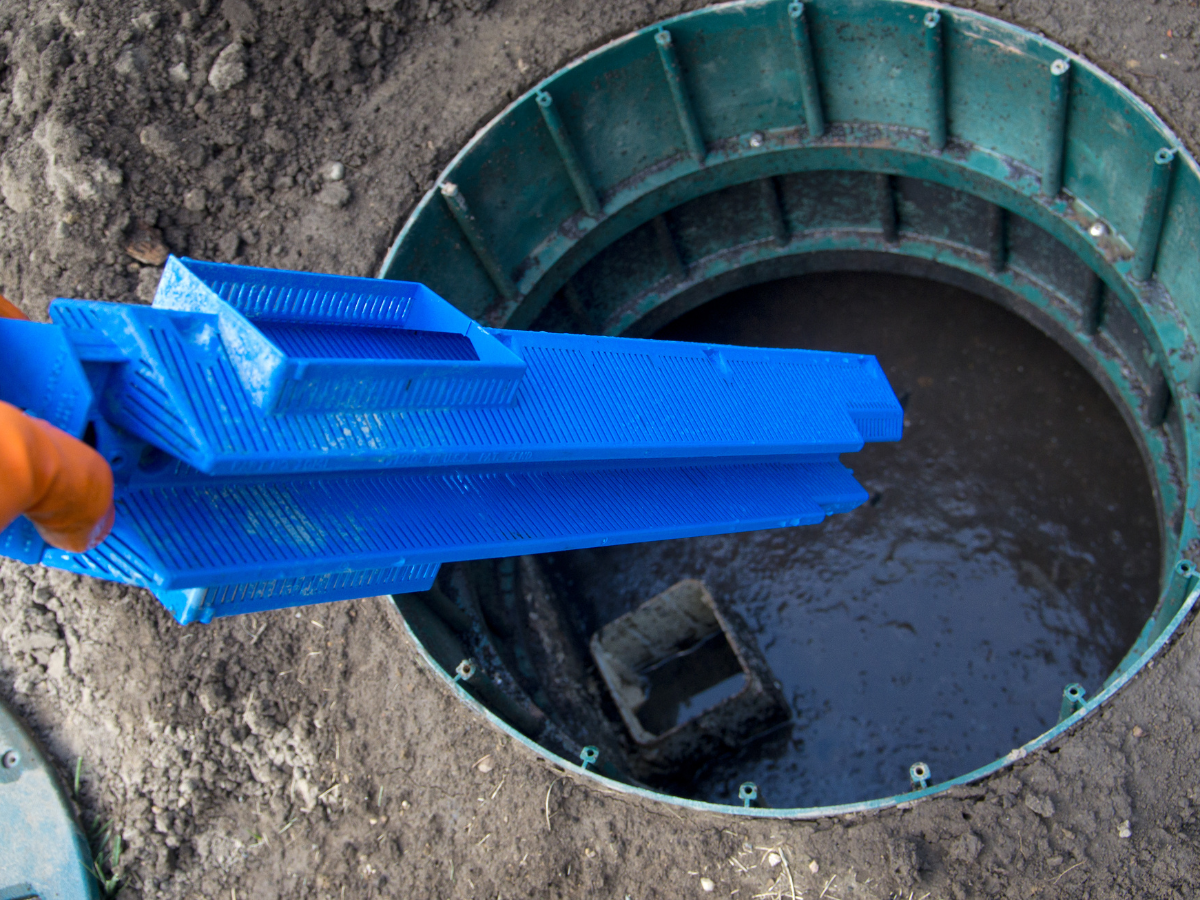
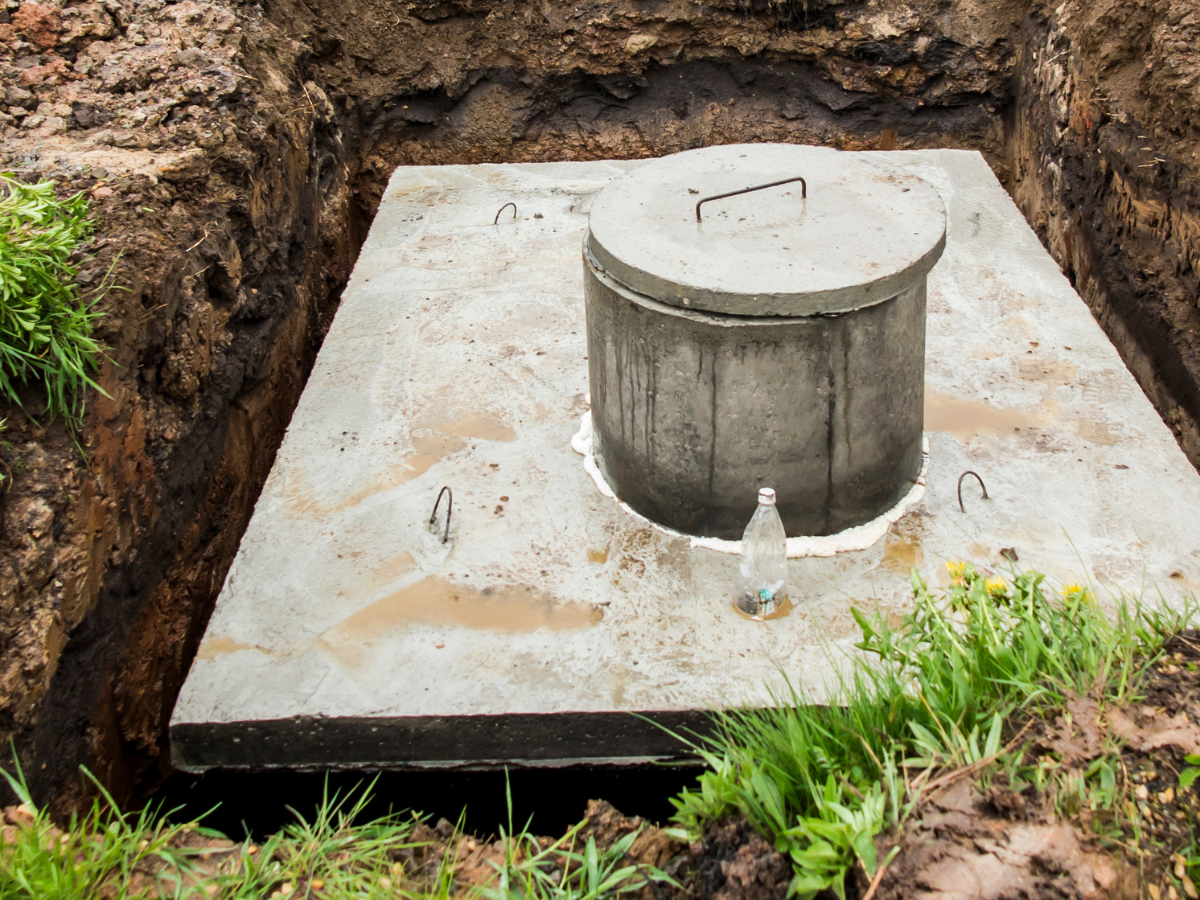
Quality field materials and proper installation ensure longevity. Installation includes distribution box placement ensuring level operation and equal outlet heights, laying distribution pipes at correct spacing and grade, bedding pipes in specified gravel or chamber systems, ensuring proper pipe perforation patterns and positioning, covering with filter fabric preventing soil intrusion, and connecting all components correctly. Material choices affect performance—quality pipes, appropriate gravel, proper filter fabrics contribute to field longevity. Installation technique matters equally—pipes must be level for even distribution, gravel depth must meet specifications, and fabric must prevent soil movement into fields. Shortcuts during installation cause premature failure—saving a few hours or dollars on installation costs thousands in early replacement. Professional installation uses quality materials with proven techniques ensuring fields function optimally for decades.
Complete field replacement includes thorough site restoration. Restoration includes backfilling fields with appropriate soil (avoiding compaction), grading surface for proper drainage, topsoil replacement creating suitable growth medium, seeding or sodding establishing vegetation, and overall site cleanup. Restoration quality affects long-term field protection and property aesthetics. Proper backfill prevents settlement creating depressions pooling water. Appropriate surface grading directs water away from fields preventing saturation. Vegetation establishment prevents erosion protecting fields. Professional restoration leaves properties in good condition with fields properly protected. While major focus is field functionality, appearance and property condition matter to homeowners. Complete professional service handles all aspects from excavation through final restoration ensuring satisfaction with both field performance and property appearance.
Drain field replacement is expensive but necessary when fields fail. General cost ranges:
Costs include site evaluation, design, permits, excavation, materials, installation, restoration, and final inspection. Challenging sites—poor soil, high water tables, limited space, rock, difficult access—increase costs significantly. Complete system replacement including new tank and field costs $15,000-$30,000+. We provide detailed estimates after site assessment explaining all cost factors.
Multiple variables significantly affect drain field replacement costs:
Site conditions discovered during evaluation determine actual costs. Professional assessment provides accurate estimates based on real conditions rather than assumptions.
Professional drain field replacement provides value justifying costs. Benefits include proper site evaluation ensuring replacement feasibility, appropriate system design for soil and household needs, code-compliant installation passing health department inspection, quality materials and workmanship ensuring longevity, proper excavation and installation techniques, comprehensive warranty protecting investment, and decades of reliable service from professionally installed fields. DIY field replacement is impractical and usually illegal—health departments require licensed installers, specialized equipment is needed, and technical knowledge is critical. Attempting DIY replacement risks installation failure, environmental violations, property damage, and wasted money requiring professional correction. Professional replacement represents necessary investment in property usability. Well-executed replacement provides 20-30+ years of reliable service—$10,000-$20,000 over 25 years equals $400-$800 annually for complete wastewater treatment. Professional service ensures replacement investment provides maximum value through proper design, quality installation, and full expected lifespan.
Lancaster and Fairfield County property owners trust our drain field expertise. We’ve replaced numerous drain fields throughout Lancaster handling diverse soil conditions and site challenges. Our Fairfield County experience ensures successful field replacement. Trust our drain field repair in Lancaster for professional replacement service.
Circleville and Pickaway County receive expert drain field services from our experienced team. We’ve handled complete field replacements throughout Circleville for all system types. Our Pickaway County knowledge ensures appropriate solutions. Choose our drain field replacement in Circleville for professional service.
Chillicothe and Ross County drain field replacement receives professional attention from our specialists. We’ve replaced drain fields throughout Chillicothe handling challenging conditions successfully. Count on our drain field specialists in Chillicothe for expert replacement service.
While drain field failure is eventually inevitable, proper maintenance dramatically extends field life. Prevention practices include regular tank pumping every 3-5 years (prevents solids contamination), water conservation reducing hydraulic load, avoiding harsh chemicals protecting beneficial bacteria, protecting fields from vehicle traffic and compaction, ensuring proper surface drainage directing water away from fields, inspecting and maintaining tanks catching problems like failed baffles early, and educating household about proper system use. Well-maintained fields commonly provide 20-30+ years of service; neglected fields fail in 10-15 years. After expensive field replacement, protecting new investment through proper maintenance is critical. Simple preventive attention extends field life maximizing replacement investment value. Professional maintenance through our complete septic services ensures systems receive appropriate care. While replacement provides new field, maintaining that field through proper use and regular pumping allows it to reach full expected lifespan. Replacement is expensive—protecting that investment through maintenance is wise practice.
Drain field replacement typically costs $10,000-$20,000 for conventional systems. Conventional replacements cost $10,000-$15,000 generally. Complex conventional systems or challenging sites cost $12,000-$20,000. Mound systems for high water tables cost $15,000-$30,000+. Advanced treatment systems cost $15,000-$30,000+. Costs include evaluation, design, permits, excavation, materials, installation, and restoration. Difficult site conditions—rock, poor access, extensive restoration—add $3,000-$10,000+. Complete system replacement including new tank costs $15,000-$30,000+. We provide detailed estimates after site assessment.
Most drain field failures require complete replacement—soil clogging from biomat or solids contamination is permanent and cannot be reversed. Rarely, limited repairs work for specific problems like broken pipes, localized compaction, or surface water issues. However, typical failures—widespread biomat clogging, solids contamination throughout field, chronic saturation—cannot be effectively repaired. Attempted treatments or additives claiming to restore failed fields rarely work and waste money. Professional assessment determines if limited repair might work or if replacement is necessary. Most residential field failures require complete replacement restoring system function.
Drain field lifespan averages 20-30 years with proper maintenance. Well-maintained fields with regular tank pumping can last 30+ years. Neglected fields may fail in 10-15 years from preventable problems like solids contamination. Factors affecting lifespan include maintenance quality (regular pumping critical), system use (water conservation and appropriate waste disposal), soil conditions (some soils support longer field life), and original installation quality. Biomat development eventually causes failure even in well-maintained fields—question is when, not if. Proper maintenance significantly extends field life but cannot prevent eventual failure. Fields approaching 25-30 years should be monitored for developing problems allowing planned replacement rather than emergency response.
Drain fields fail from several causes. Primary causes include biomat clogging (bacterial layer developing over years eventually clogging soil—natural aging process), solids contamination from tank overfilling or failed baffles, soil compaction from vehicle traffic or construction, hydraulic overload from excessive water use, and high water tables preventing drainage. Biomat failure is inevitable over time—even well-maintained fields eventually fail. However, maintenance prevents accelerated failure—regular pumping prevents solids contamination; appropriate use prevents overload; protecting fields prevents compaction. Proper maintenance extends field life but cannot prevent eventual biomat failure requiring replacement.
Drain field failure symptoms include sewage or effluent surfacing in yard over field, persistently wet or soggy areas over field, sewage odors around field, bright green grass growing vigorously over field, sewage backing up into house, slow drains throughout house, and gurgling sounds from drains. Any of these symptoms warrant immediate professional evaluation. Early symptoms like occasional wet areas might indicate developing problems; severe symptoms like surfacing sewage indicate complete failure. Some symptoms overlap with tank problems—professional assessment distinguishes field failure from tank issues like full tank or failed baffles. Never ignore potential field failure symptoms—they indicate serious problems requiring prompt professional attention.
No, septic additives cannot fix failed drain fields. Failed fields have permanently clogged soil from biomat or solids—physical changes that chemicals cannot reverse. Products claiming to restore failed fields rarely work and waste money. Some additives may harm systems or contaminate groundwater. Septic systems already contain all necessary bacteria—additives don’t improve function. Only replacement with new field in unclogged soil restores function. Money spent on ineffective additives would be better invested toward necessary replacement. When fields fail, replacement is solution—products claiming otherwise mislead homeowners and delay necessary work. Professional assessment provides honest guidance distinguishing genuine field failure requiring replacement from other problems potentially addressable through different means.
Professional drain field assessment and replacement throughout Central Ohio. Contact Drain Bros for expert field service.