
Home > Services > Excavation Services > Foundation Excavation
Precision Foundation & Basement Excavation Throughout Lancaster, Circleville & Chillicothe
Foundation excavation is the critical first step in any building project—the precision and quality of foundation excavation directly determine structural stability for decades to come. Drain Bros provides professional foundation excavation throughout Central Ohio, delivering the exact depths, dimensions, and specifications your construction project requires. As part of our comprehensive excavation services, we specialize in foundation work for new construction, home additions, basement installations, and foundation replacements.
Foundation excavation demands more than just digging a hole. Professional foundation work requires excavating to precise depths meeting building codes and engineering specifications, maintaining exact dimensions for footers and walls, creating proper slopes for foundation drainage, protecting adjacent structures during addition excavation, and ensuring stable excavation walls preventing collapse. Our experienced crews have excavated hundreds of foundations throughout Central Ohio, understanding local soil conditions, building code requirements, and construction standards ensuring your foundation starts correctly.
Serving Lancaster, Circleville, Chillicothe, and throughout Fairfield, Pickaway, and Ross Counties, we combine professional equipment, skilled operators, and attention to detail delivering foundation excavation that builders and homeowners trust. Foundation problems often trace back to improper excavation—we ensure your project begins with a properly excavated foundation meeting all specifications.



Foundation excavation involves removing soil to create space for building foundations—footers, foundation walls, and basement or crawl space areas. Requirements vary by foundation type but generally include excavating below frost line (32-42 inches in Ohio) to prevent frost heaving, achieving level base for footers ensuring proper load distribution, creating proper width for footer and wall construction, maintaining stable excavation walls during construction, and providing access for concrete placement and waterproofing.
Building codes specify minimum requirements—depth below frost line, footer dimensions, and drainage provisions. Engineering plans for specific projects may require deeper excavation, specific soil conditions, or additional provisions. Professional foundation excavation ensures code compliance and meets engineering specifications exactly.
Different building projects require different foundation excavation approaches:
Each type requires specific excavation techniques and considerations. We match excavation approach to your project requirements.
Foundation excavation precision directly affects construction quality and costs. Excavating too shallow results in inadequate frost protection or insufficient basement height. Too deep wastes money on unnecessary excavation and additional concrete. Uneven excavation creates footer and wall placement challenges. Poor width control complicates forming and construction. Improper slopes cause water accumulation during and after construction.
Professional foundation excavation delivers the exact specifications your project requires—no more, no less. This precision saves money, prevents construction delays, and ensures proper foundation performance. We excavate to plan specifications within inches, not feet—the precision professional construction demands.
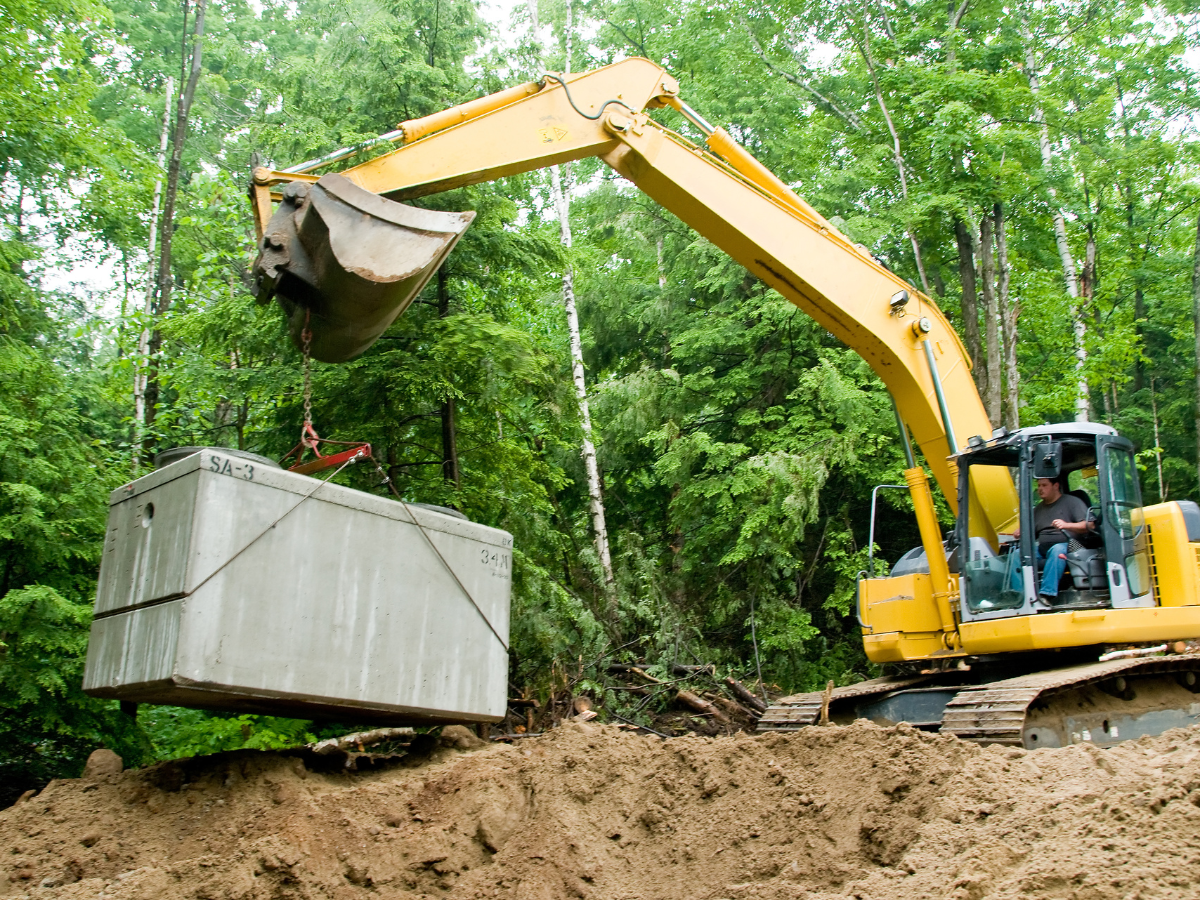
New home and building construction begins with foundation excavation. We work from architectural and engineering plans, excavating to exact specifications for full basement foundations with 8-10 foot depth, crawl space foundations with 2-4 foot depth, slab foundations with perimeter footer excavation, and custom foundation designs meeting specific requirements. New construction excavation occurs on undeveloped sites allowing full equipment access and efficient work. We coordinate with builders ensuring excavation timing meets construction schedules—foundation excavation ready when concrete contractors need it.
Home additions require foundation excavation adjacent to existing structures—more challenging than new construction. Addition excavation considerations include matching existing foundation depth for proper structural connection, working in confined spaces near existing buildings, protecting existing foundation from excavation effects, managing drainage around both new and existing foundations, and coordinating with addition construction sequence. Our experience with addition excavation ensures careful work protecting your existing home while creating proper foundation for new space. We understand the unique challenges additions present and adapt techniques accordingly.
Full basement excavation creates usable below-grade living space. Basement excavation involves deep excavation—typically 8-10 feet—requiring attention to soil stability, proper slopes for drainage, access for concrete placement and waterproofing, and water management during excavation. Central Ohio’s clay soil and high water tables can complicate basement excavation. We manage these challenges through proper excavation techniques, temporary drainage measures, and careful timing. Combined with proper foundation drainage systems, professionally excavated basements remain dry and functional for decades.
Crawl space foundations require less excavation than basements—typically 2-4 feet deep—making them less expensive while providing foundation ventilation and access to utilities. Crawl space excavation must still reach below frost line at perimeter footers, create proper interior grade for drainage, and provide adequate clearance for plumbing and HVAC. While shallower than basements, crawl spaces still demand precision ensuring proper depth, level excavation, and appropriate drainage provisions. Properly excavated crawl spaces provide functional, dry foundation spaces.
Replacing failing foundations requires careful excavation around and under existing structures. Foundation replacement excavation is complex—supporting structures during foundation removal, excavating around existing foundations without undermining them, creating space for new foundation construction while maintaining structural stability, and working in extremely confined spaces. This specialized work requires experienced contractors understanding structural implications of excavation around buildings. We’ve successfully excavated for numerous foundation replacements, ensuring safe, effective work that protects structures throughout the process.
Foundation excavation begins with thorough planning. We review architectural and engineering plans understanding exact requirements, survey site conditions including topography and existing structures, identify property boundaries and setbacks, evaluate soil conditions affecting excavation approach, and determine equipment access routes. Site survey reveals potential challenges allowing us to plan solutions. We establish exact excavation boundaries based on plans, marking foundation corners and dimensions for precise excavation.
Before excavating, we handle essential preparations including calling 811 for utility location (48-72 hours before excavation), obtaining necessary excavation and building permits, coordinating with other trades and contractors, and establishing erosion control measures. Utility location is critical—foundation excavation often encounters water, sewer, electric, and gas services requiring precise location to avoid strikes. We coordinate excavation timing with construction schedules ensuring foundation readiness when concrete contractors arrive.
Our experienced crews execute foundation excavation with precision. We excavate to exact depths specified in plans—measuring continuously throughout excavation, maintain proper excavation dimensions for footer and wall placement, create level base for footer installation, establish proper slopes for foundation drainage, and protect excavation walls from collapse through sloping or shoring. For residential excavation services, we work carefully protecting landscaping and existing site features. Foundation excavation progresses systematically ensuring accuracy throughout the excavation volume.
After excavation, we prepare the foundation for construction. Final preparation includes fine-grading excavation base removing loose soil, establishing proper drainage grades, compacting base where required by specifications, and providing access for concrete placement. Many jurisdictions require excavation inspection before concrete placement—we coordinate with building inspectors ensuring approval before construction proceeds. Proper preparation creates stable, ready-to-build foundation excavation meeting all requirements.
Foundation depth is determined by several factors. Frost line depth (32-42 inches in Ohio) establishes minimum footer depth—footers must sit below frost penetration preventing frost heaving. Basement ceiling height requirements determine total excavation depth—8-foot ceilings plus footer and slab thickness typically require 9-10 feet total excavation. Building plans specify exact depths based on engineering requirements. We excavate to plan specifications, adjusting for site conditions while maintaining required minimums. Proper depth ensures code compliance and functional foundation performance.
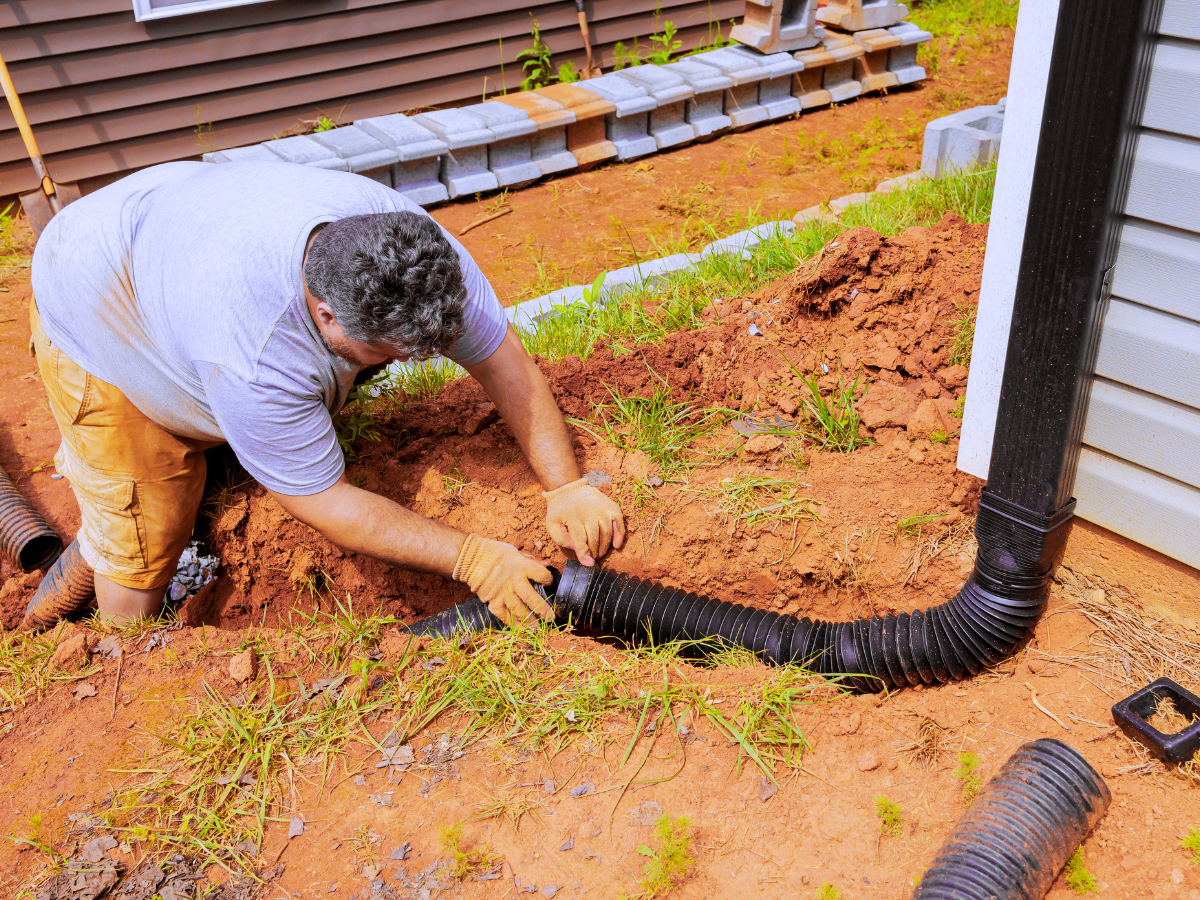
Footers distribute building loads to soil—proper footer placement is critical. Footer excavation requirements include level base ensuring even load distribution, proper width accommodating footer dimensions (typically 16-24 inches wide for residential), sufficient depth below grade (below frost line minimum), and stable bearing soil free of organic material or unsuitable soils. We excavate footer trenches precisely, creating level, stable bases for concrete placement. Footer depth and width vary by building size and soil conditions—we follow engineering specifications exactly.
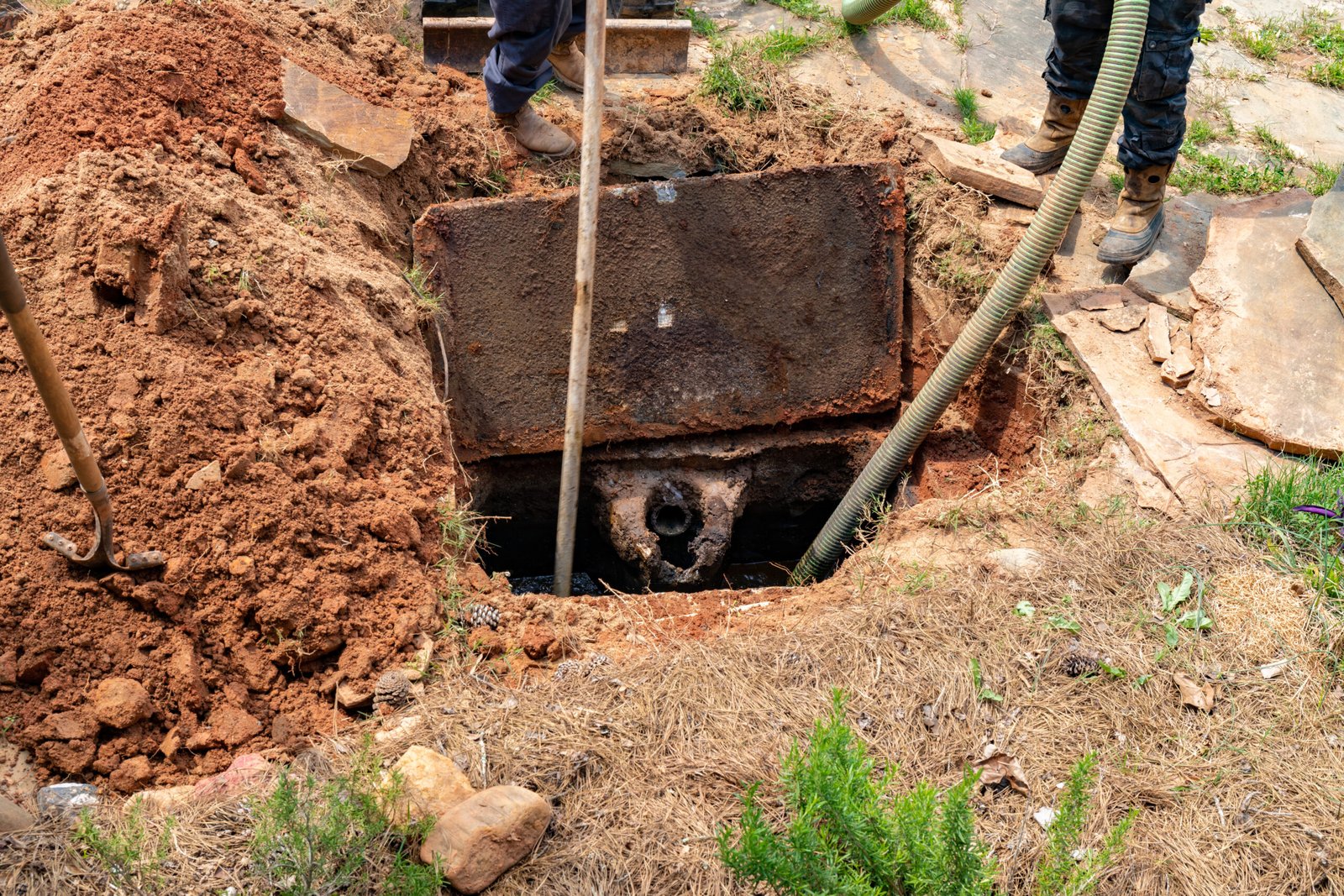
Foundation excavation must provide proper drainage preventing water accumulation. Drainage provisions include sloping excavation bottom away from foundation center (if not installing slab), creating pathways for water to exit excavation, and coordinating with utility trenching for footer drain installation. Standing water in foundation excavations creates construction difficulties and indicates future drainage problems. We establish grades directing water away from foundation areas, often coordinating footer drain installation as part of foundation work. Proper drainage considerations during excavation prevent water problems throughout construction and building life.
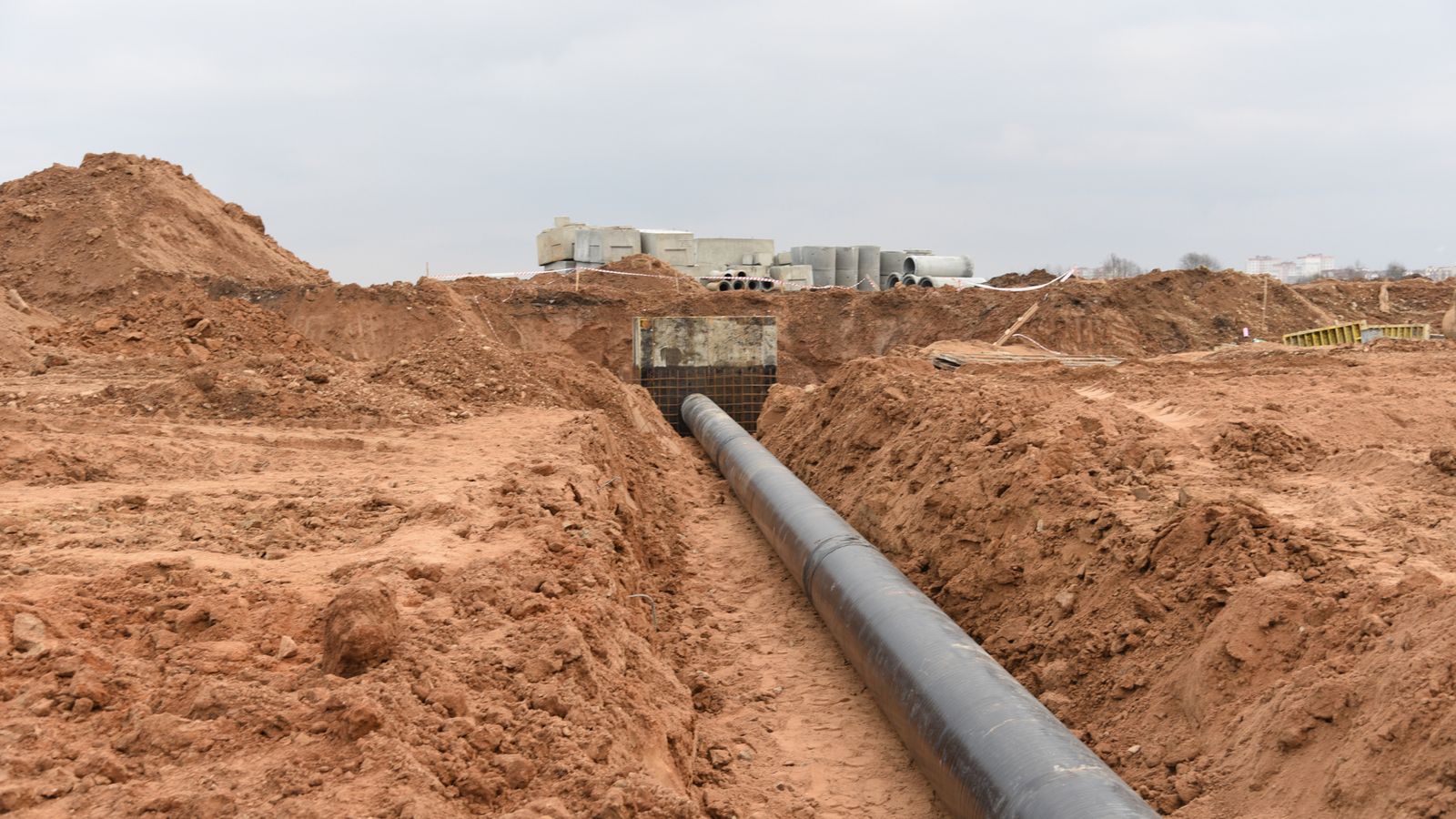
Full basements require extensive excavation—8-10 feet deep under entire building footprint. Basement excavation advantages include creating usable living space, providing equipment access and storage, and allowing easy utility access. Basement excavation challenges include higher excavation costs, deeper footer requirements, greater waterproofing needs, and potential water table issues. Full basement excavation costs significantly more than crawl spaces but adds substantial living space. In areas with high water tables, basement waterproofing becomes critical—we coordinate excavation with waterproofing contractors ensuring proper installation.
Crawl spaces provide economical foundation option—2-4 feet deep under building footprint. Crawl space advantages include lower excavation costs, adequate utility access, and reduced waterproofing requirements compared to basements. Crawl space challenges include limited usability and potential moisture issues without proper ventilation. Crawl space excavation costs substantially less than full basements while still providing proper foundation and utility access. For many projects, crawl spaces offer ideal balance between cost and functionality.
Sloped lots allow walkout basements—full basement on uphill side with ground-level access on downhill side. Walkout basement excavation varies from full depth uphill to minimal downhill, creating basement space with walk-out access. This design combines basement benefits with natural light and exterior access. Walkout excavation requires careful grading establishing proper transitions, managing drainage around varying foundation depths, and creating stable slopes. We’ve excavated numerous walkout basements on sloped lots throughout Central Ohio, understanding the unique requirements this foundation type demands.
Addition foundations typically match existing foundation depth ensuring proper structural connection. This requires determining existing foundation depth (sometimes requiring exploratory excavation), excavating new foundation to same depth, creating level transition between old and new, and ensuring proper footer placement at existing depth. Matching depths allows foundations to move together preventing differential settlement that creates cracks and structural issues. We carefully measure existing foundations ensuring precise depth matching for additions.
Excavating adjacent to existing foundations requires care preventing damage or undermining. Protection measures include maintaining safe distance from existing foundations (typically 2-3 feet minimum), using proper excavation techniques preventing soil movement under existing foundations, monitoring existing structure for any movement or cracking, and implementing temporary support if excavation affects existing foundation stability. Our experience with addition excavation ensures safe work protecting your existing home throughout the excavation and construction process.
Addition excavation presents unique challenges including limited equipment access in yards, working around existing landscaping and utilities, coordinating with occupied home activities, and managing drainage between old and new construction. We've handled hundreds of addition excavations, developing techniques minimizing disruption while delivering precise foundation excavation. Addition work requires more care and time than open-site excavation, but professional contractors navigate these challenges successfully delivering quality foundations for home expansions.
Foundation excavation costs vary by project type and size. General ranges:
Costs reflect typical Central Ohio projects. Actual costs depend on specific dimensions, site conditions, and access. We provide detailed estimates after reviewing plans and assessing sites.
Several variables influence foundation excavation costs:
Foundation excavation is typically a small percentage of total construction cost but critical for project success. Professional excavation ensures quality foundation work supporting your investment.
Professional foundation excavation provides value beyond just digging. Benefits include precise excavation meeting specifications exactly, code compliance ensuring permit approval, proper drainage provisions preventing water problems, stable excavation walls ensuring construction safety, and coordination with other trades keeping projects on schedule. Foundation problems often trace to improper excavation. Professional work prevents costly issues including uneven settlement, inadequate frost protection, water infiltration, and construction delays. The relatively small investment in professional foundation excavation protects far larger construction investments.
Foundation excavations create deep holes requiring attention to soil stability. Unstable excavation walls can collapse causing injuries, deaths, and property damage. Soil stability depends on soil type—sandy soil collapses easily requiring gentler slopes, clay soil holds vertical walls better but can fail suddenly, and wet conditions reduce stability of all soil types. We assess soil conditions and implement appropriate safety measures ensuring stable excavation walls throughout construction. OSHA excavation safety standards guide our work ensuring compliant, safe excavations.
Deep excavations or unstable soil may require shoring—temporary support preventing wall collapse. Shoring systems include trench boxes protecting workers in excavations, sheet piling supporting excavation walls, and bracing systems preventing wall movement. For foundation excavations, we typically use sloped walls rather than vertical walls with shoring when space permits—sloped walls are inherently safer. When shoring is necessary, we implement proper systems protecting workers and adjacent structures. Shoring adds cost but ensures safety in challenging excavation conditions.
Water in foundation excavations creates hazards and construction difficulties. Water sources include groundwater seepage, surface water runoff, and rain accumulation. Water management strategies include pumping standing water from excavations, establishing drainage directing water away, timing excavation to minimize rain exposure, and implementing temporary drainage systems. For sites with high water tables, dewatering systems may be necessary during excavation and construction. We implement appropriate water management ensuring dry, safe foundation excavations ready for construction.
Lancaster and Fairfield County properties benefit from our extensive foundation excavation experience throughout the area. We’ve excavated foundations for new construction throughout Lancaster’s growing communities, handled addition excavations in established neighborhoods, and managed challenging foundation replacements. Our familiarity with Lancaster’s soil conditions—typical clay content and seasonal water tables—ensures efficient, effective foundation excavation. Trust our foundation excavation in Lancaster for precision foundation work.
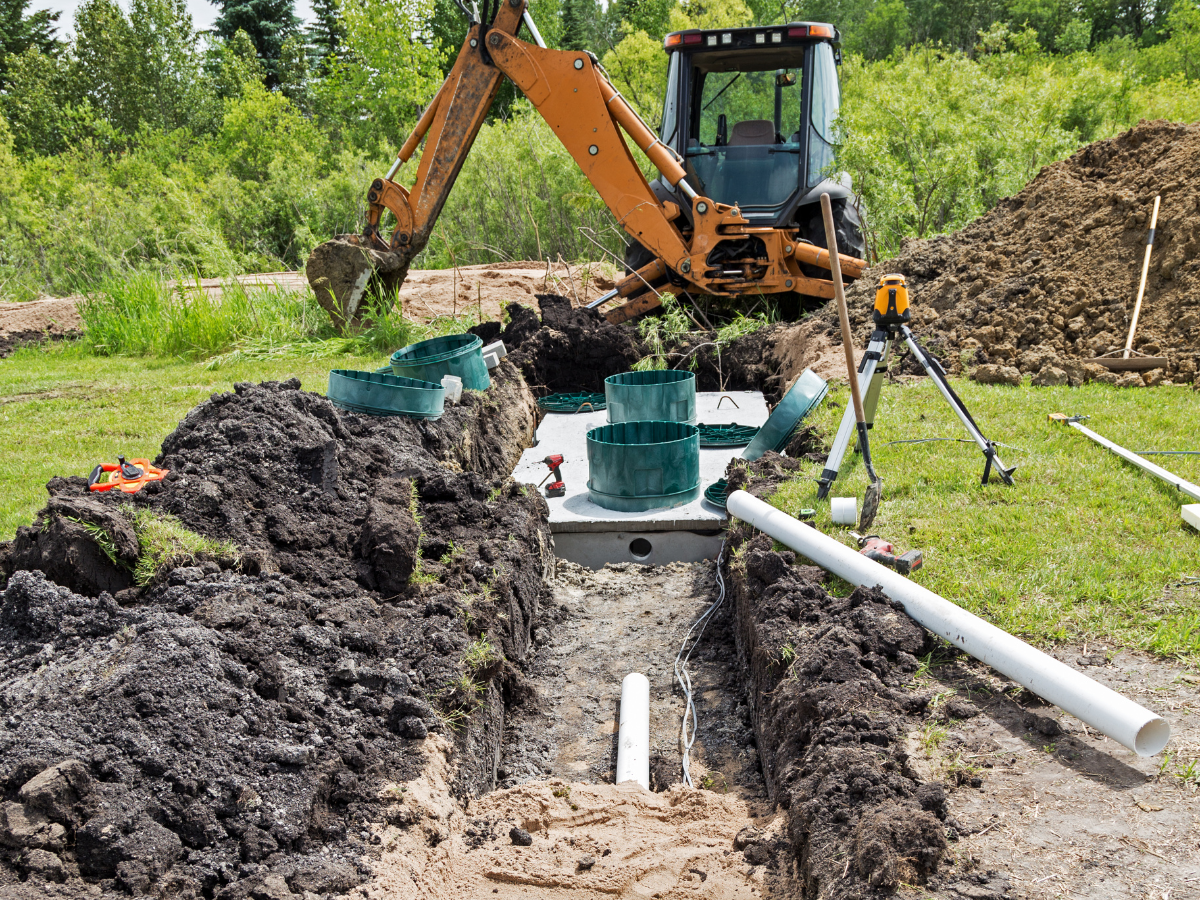
Circleville and Pickaway County foundation excavation projects receive professional attention whether new construction, additions, or foundation work. Our experience throughout Circleville includes basement excavations in various soil conditions, crawl space foundations for diverse applications, and addition foundations adjacent to existing structures. We understand Circleville’s building requirements and typical foundation specifications. Choose our basement excavation in Circleville for reliable foundation excavation services.
Chillicothe and Ross County properties—from hillside lots requiring walkout basements to flat lots with standard foundations—all benefit from our foundation excavation expertise. We’ve handled diverse foundation excavation throughout Chillicothe including new home construction foundations, commercial building excavation, and residential addition foundations. Our local knowledge combined with professional capabilities ensures successful foundation excavation regardless of site challenges. Count on our foundation digging in Chillicothe.
Foundation depth depends on foundation type and local codes. At minimum, footers must sit below frost line—32-42 inches in Ohio. Crawl space foundations excavate 2-4 feet total depth. Full basements excavate 8-10 feet for adequate ceiling height. Specific depths come from engineering plans and building codes. We excavate to exact specifications ensuring code compliance and proper foundation performance.
Basement excavation for typical residential projects costs $3,000-$8,000. Cost depends on basement size, excavation depth, soil conditions, site access, and hauling requirements. Walkout basements on slopes may cost more. Costs also vary by region and current market conditions. We provide detailed estimates after reviewing plans and assessing your specific site conditions.
Yes, foundation excavation is possible in winter with considerations. Frozen ground requires more time and potentially specialized equipment. Snow must be cleared before excavation. Concrete placement requires proper temperature control and may need additives or heating. However, foundation excavation occurs year-round when construction schedules demand. We work in winter conditions, adapting techniques to ensure quality excavation regardless of season.
Rock encountered during foundation excavation requires additional work. Depending on rock type and extent, options include rock breaking using hydraulic hammers, blasting in some situations with proper permits, or redesigning foundation to work with rock level. Rock excavation increases costs and potentially affects project timelines. While rock isn’t common throughout Central Ohio, we occasionally encounter limestone or other rock formations. We have equipment and experience handling rock when encountered.
Foundation excavation timeline varies by project size. Small addition foundations may excavate in 1-2 days. Typical new construction basements require 2-4 days. Large or complex foundations can take a week. Weather affects outdoor excavation—rain causes delays. Site conditions including access, soil type, and obstacles also affect timeline. We provide specific timeline estimates for your project based on its unique characteristics.
Most foundation excavation requires building permits. Permits ensure work meets building codes and allow inspection verification. Requirements vary by jurisdiction—some require separate excavation permits while others include excavation in building permits. We’re familiar with local permit requirements throughout our service area and can handle permit applications as part of our service. Always verify permit requirements before beginning foundation excavation.
Professional foundation excavation for new construction, additions, and basement projects throughout Central Ohio. Contact Drain Bros for estimates and scheduling.